Complex surgical procedures represent some of the most challenging interventions in modern medicine, demanding not just technical precision but a truly comprehensive approach to patient care. The line between successful outcomes and serious complications often comes down to multiple interconnected factors that extend well beyond what happens in the operating room itself. As healthcare systems worldwide push to improve quality metrics while keeping costs under control, understanding what drives superior patient outcomes has never been more crucial. Medical professionals, hospital administrators, and healthcare technology developers are constantly working to identify and refine the elements that make the biggest difference in surgical results.
The Critical Role of Surgical Team Expertise and Collaboration
There's no getting around it; the expertise level of your surgical team stands as perhaps the most fundamental driver of successful outcomes in complex procedures. Surgeons who regularly perform specific complex operations consistently demonstrate better results than those who only do them occasionally, a well, documented phenomenon known as the volume-outcome relationship. But it's not just about individual surgeon skill. When the entire operating team is familiar with complex procedures, they create an environment where potential complications can be anticipated and addressed before they become problems.
Advanced Surgical Technology and Equipment Standards
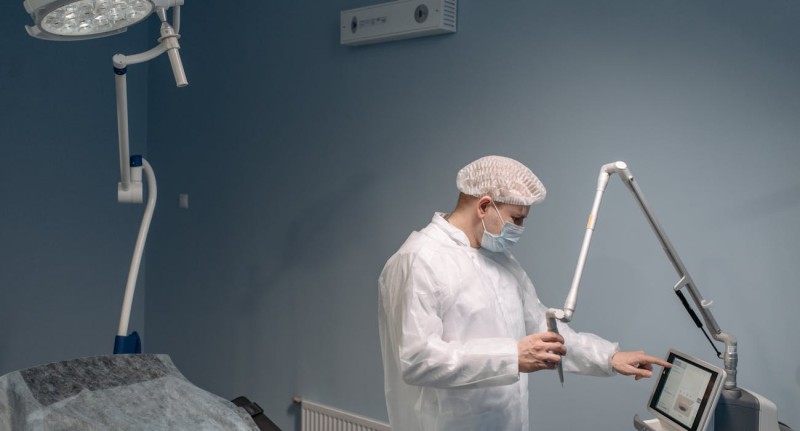
The quality and sophistication of surgical equipment available during complex procedures makes a tangible difference in patient outcomes across multiple dimensions. Modern imaging technologies give surgeons the ability to visualize anatomical structures with unprecedented clarity, enabling more precise interventions and significantly less collateral tissue damage. Minimally invasive surgical instruments have fundamentally changed many complex procedures, offering patients shorter recovery times, lower infection risks, and better cosmetic outcomes. Energy-based surgical devices that provide superior hemostasis help maintain clear surgical fields and minimize blood loss during those lengthy operations that test everyone's endurance.
Comprehensive Preoperative Assessment and Planning
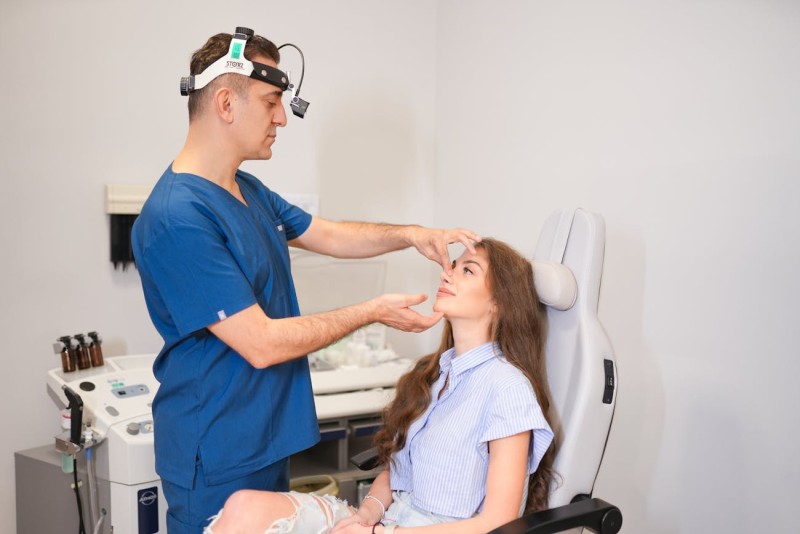
Here's something that can't be emphasized enough: thorough preoperative evaluation and meticulous surgical planning establish the foundation for successful complex procedures long before patients even enter the operating room. Advanced imaging studies, including three-dimensional reconstructions, allow surgical teams to understand patient-specific anatomy and anticipate potential challenges they might encounter. Comprehensive medical optimization tackles underlying conditions like diabetes, cardiovascular disease, or nutritional deficiencies that could seriously compromise healing and recovery. Multidisciplinary team conferences bring together specialists from various disciplines to review complex cases and hammer out coordinated treatment strategies.
Perioperative Care Protocols and Enhanced Recovery Programs
Standardized perioperative care protocols have emerged as powerful drivers of improved outcomes in complex surgical procedures across virtually every specialty. Enhanced recovery after surgery programs incorporate evidence-based interventions spanning the entire perioperative period, from initial preoperative counseling all the way through postoperative rehabilitation. These protocols typically include strategies such as carbohydrate loading before surgery, goal-directed fluid therapy, multimodal pain management, early mobilization, and early oral nutrition, all working together systematically. When performing intricate operations, surgical teams rely on comprehensive solutions like Baxter Advanced Surgery to support optimal perioperative management and patient safety. The systematic implementation of such protocols has demonstrated measurable reductions in complications, shortened hospital stays, and improved patient satisfaction scores across the board. Antibiotic stewardship practices within these protocols help prevent surgical site infections while simultaneously addressing antibiotic resistance concerns. Temperature management, glucose control, and venous thromboembolism prophylaxis represent additional protocol elements that collectively contribute to superior outcomes when properly implemented. The real value of adhering to evidence-based protocols? They help reduce practice variation and ensure that all patients receive optimal care regardless of which specific team members happen to be involved in their treatment.
Postoperative Monitoring and Complication Management
Vigilant postoperative monitoring and rapid response to emerging complications can make or break final outcomes following complex procedures. Early warning systems that continuously track vital signs, laboratory values, and clinical parameters help identify deteriorating patients well before complications become life-threatening situations. Dedicated surgical intensive care units staffed by specialists who really understand postoperative care challenges provide optimal environments for high-risk patients who need that extra level of attention. Structured handoff protocols ensure genuine continuity of care as patients transition between different care teams and hospital units; no critical information gets lost in translation.
Conclusion
Achieving superior patient outcomes in complex surgical procedures isn't about one single factor; it requires a truly multifaceted approach that addresses every phase of the patient journey. The integration of expert surgical teams, cutting-edge technology, comprehensive planning, evidence-based protocols, and vigilant monitoring creates a system where excellence becomes reproducible rather than exceptional. As healthcare continues evolving at a rapid pace, the emphasis on data-driven quality improvement, technological innovation, and team-based care models will only further enhance our ability to deliver outstanding results in even the most challenging surgical cases. Organizations that commit wholeheartedly to systematic implementation of these evidence-based practices aren't just checking boxes; they're positioning themselves to provide the highest quality care while simultaneously improving efficiency and patient satisfaction in complex surgical procedures.