Water damage ranks among the most destructive and expensive problems homeowners face, often racking up thousands of dollars in repairs when it slips by unnoticed. The secret to keeping damage under control? Catching it early and acting fast. When you know what warning signs to look for, you can tackle water intrusion before it spirals into major structural headaches, mold nightmares, or ruined building materials. Getting familiar with where water damage typically starts and how it shows up means you'll be able to run regular inspections and spot trouble while it's still manageable, potentially saving yourself considerable time, money, and unnecessary stress down the road.
Recognizing Visual Signs of Water Damage
The most telltale indicators of water damage are usually in plain sight, which makes routine visual checks essential for keeping your home in good shape. You'll typically notice discoloration on walls, ceilings, or floors appearing as yellowish-brown stains that spread outward from wherever the water's coming from, creating those irregular patterns that gradually darken as time passes. Paint and wallpaper might start bubbling up, peeling away, or developing cracks as moisture builds up behind these surfaces. The adhesive fails, and materials begin pulling away from the wall underneath. When surfaces start warping or sagging, that's a red flag indicating serious water absorption in materials like drywall, wood flooring, or ceiling tiles, all of which can compromise your home's structural integrity.
Detecting Musty Odors and Moisture in the Air
Your nose might just be one of your best allies when it comes to identifying hidden water damage before those visible signs even start appearing on surfaces. That persistent musty, earthy smell? It's telling you there's mold or mildew present, and these fungi thrive in damp environments; they can even start growing within 24 to 48 hours after water exposure. These odors tend to be most noticeable in enclosed spaces like basements, crawl spaces, closets, and cabinets where air doesn't circulate much, and moisture can build up completely undetected. When you're experiencing high humidity levels throughout your home, think condensation showing up on windows, mirrors, or pipes; it suggests there's excess moisture that could eventually lead to water damage over time.
Monitoring Critical Areas Prone to Water Damage
Certain spots in your home are significantly more vulnerable to water damage and really need regular, thorough inspection if you want to catch problems while they're still small. Take a careful look at your roof after storms roll through, checking for missing, cracked, or curling shingles that could let water sneak in, and examine attic spaces for water stains, dampness, or any daylight you can see through the roof boards. When inspecting these vulnerable areas, professionals who need to assess roof integrity often rely on Austin roofing contractors who can identify potential problems before they lead to interior water damage. Make it a point to inspect around all your plumbing fixtures, sinks, toilets, bathtubs, and water heaters included, looking for standing water, rust, corrosion, or those mineral deposits that indicate leaks or condensation issues are brewing. Your basement and foundation walls deserve attention too, so check them for cracks, damp spots, or that white powdery residue signaling water seeping in from outside. Don't overlook exterior areas like your gutters and downspouts either, which really should be directing water at least six feet away from your foundation to prevent pooling around your home's perimeter. Air conditioning units, both the interior and exterior components, can develop condensation problems or drain line clogs that lead to water accumulation and subsequent damage in surrounding areas.
Identifying Changes in Structural Integrity
Water damage frequently affects your home's structural components in ways that aren't immediately obvious but definitely signal serious underlying problems. Floors that feel soft, spongy, or bounce when you walk across them suggest water has gotten into the subflooring or floor joists beneath what you can see on the surface. When doors and windows suddenly become difficult to open or close, it may mean moisture's causing the wood or surrounding frame materials to swell beyond their normal size. Cracks appearing in walls, especially ones that show up suddenly or expand quickly, can result from foundation settling caused by water damage or soil erosion happening around the foundation.
Using Technology and Professional Tools
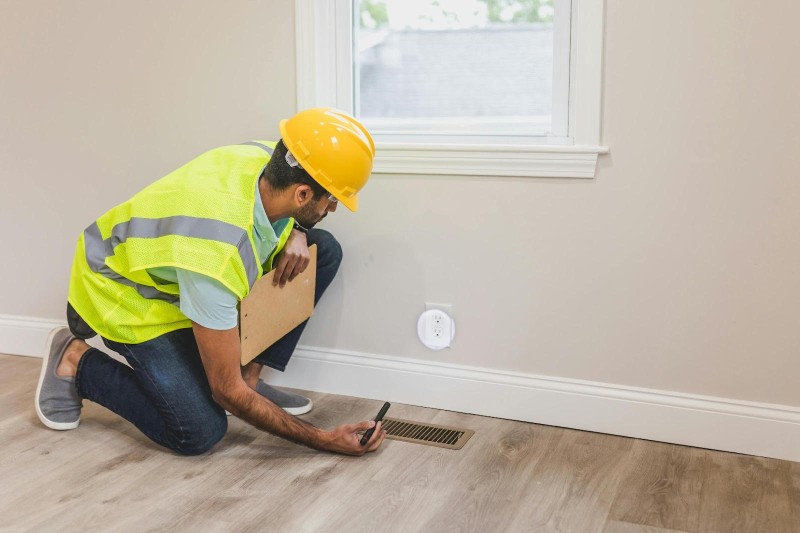
Modern technology offers homeowners some pretty sophisticated methods for detecting water damage that goes well beyond what our human senses can pick up during routine inspections. Moisture meters are reasonably affordable devices that measure moisture content in various materials, giving you objective data about whether building materials are holding excessive water that could lead to damage down the line. Infrared cameras can detect temperature variations in walls, ceilings, and floors that indicate moisture's present; wet areas typically show up cooler than the dry surfaces surrounding them. Smart water sensors and leak detection systems can be strategically placed near water heaters, washing machines, sump pumps, and under sinks to send you instant alerts when they detect moisture or standing water.
Conclusion
Catching water damage early really is essential for protecting your home's structural integrity, maintaining your property value, and preventing those health hazards that come along with mold growth. By running regular visual inspections, keeping tabs on vulnerable areas, paying attention to unusual odors or changes in your home's condition, and taking advantage of modern detection technology, you can identify water damage before it spreads and turns into a major headache. Taking this proactive approach to water damage prevention and detection saves you money, preserves your home's condition, and gives you that peace of mind knowing you're protecting one of your most valuable assets. Just remember that when you do discover signs of water damage, addressing the issue promptly and professionally ensures the best possible outcome and minimizes any long, term consequences for your property.