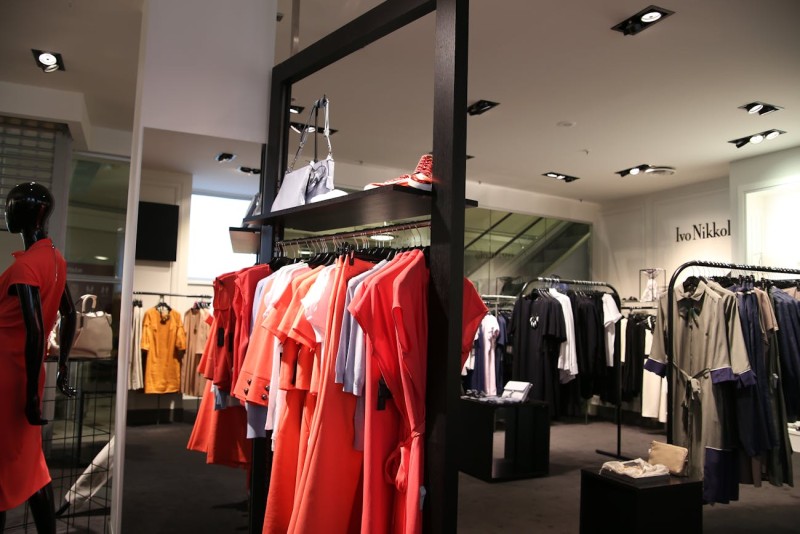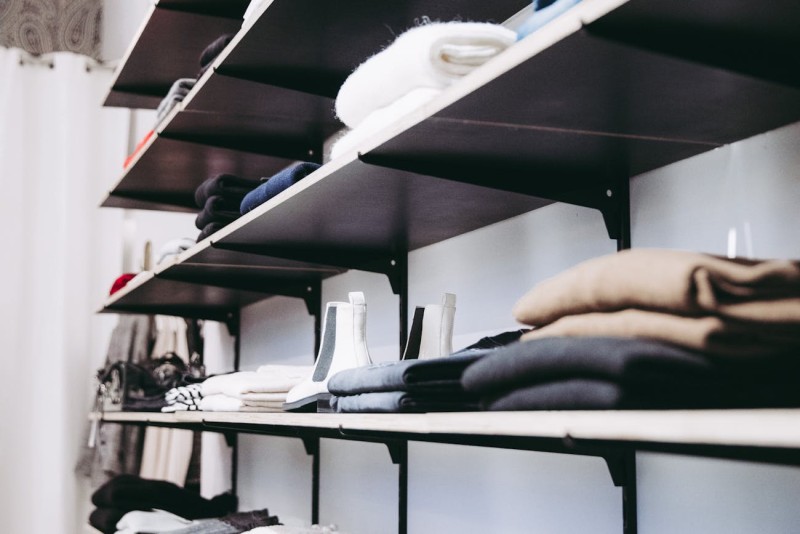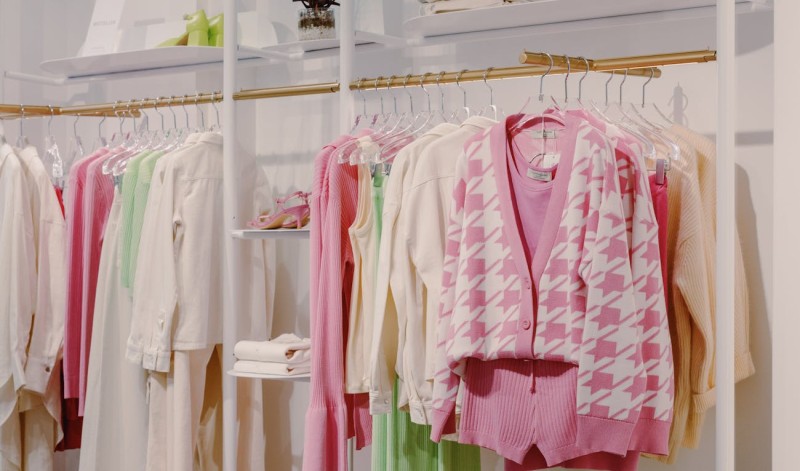
Dressing for unpredictable weather can feel like solving a puzzle without all the pieces. You're caught between climate zones during travel, experiencing those wild seasonal shifts, or simply moving from a frigid office to a warm subway car throughout your day. The solution? Having a few reliable outfit formulas in your back pocket ensures you'll stay comfortable and look polished, no matter what the thermometer says. The secret lies in understanding how to layer smartly, choosing pieces that can pull double duty, and picking fabrics that help regulate your body temperature.
The Foundation Layer Strategy
Think of your foundation layer as the unsung hero of temperature-versatile dressing. This is the piece sitting right next to your skin, working quietly to keep you comfortable whether you're battling arctic air conditioning or stepping into unexpected warmth. A fitted long-sleeve tee or lightweight thermal in neutral shades gives you that perfect starting point, coverage without the bulk, and room to add or strip away layers as needed. Here's where fabric choice really matters merino wool and bamboo blends are absolute game-changers because they regulate temperature naturally and stay fresh even after a full day of wear.
The Mid-Layer Formula
Your mid-layer is where the magic happens; it's essentially your personal thermostat control. Button-up shirts, lightweight sweaters, cardigans, and fleece vests all shine in this role because they add warmth when you need it but come off easily when temperatures shift. The fit should be slightly roomier than your foundation layer, but not so baggy that it bunches awkwardly under your jacket. Chambray shirts, thin merino cardigans, and quarter-zip pullovers are particularly brilliant choices that look equally at home in casual settings or professional environments.
The Protective Outer Layer
Your outermost layer is both your shield against the elements and the finishing touch that ties your whole look together. A great jacket or coat should handle wind, rain, and sudden temperature drops without weighing you down or making you feel like you're wearing armor. Trench coats, denim jackets, leather moto jackets, and lightweight parkas all fit the bill beautifully, offering protection and style in equal measure. Keep an eye out for functional details that boost versatility; adjustable cuffs, breathable vents, and removable linings can dramatically extend the temperature range where a single jacket works comfortably.
Bottoms That Balance Comfort and Style
What you wear on your lower half matters just as much as your upper layers when you're trying to stay comfortable across temperature ranges. Mid-weight denim jeans are surprisingly adaptable; they give you structure and coverage while still breathing well enough for milder conditions. Tailored trousers in wool blends or technical fabrics regulate temperature effectively while keeping you looking sharp throughout the workday. Here's a pro tip: slightly relaxed fits are your friend because they can accommodate thermal leggings underneath during cold snaps without looking obviously different. Midi skirts and wide-leg pants also excel at temperature management since they allow air to circulate while providing coverage, perfect for those days when you're constantly moving between heated buildings and outdoor spaces. If you're looking to add distinctive patterns to your wardrobe while maintaining temperature adaptability, professionals incorporating cultural elements often discover that tribal clothing stores offer unique pieces that layer beautifully into versatile outfit combinations. Pay attention to fabric composition, natural fibers like cotton and linen excel at breathability, while synthetic blends with stretch keep you comfortable during extended wear across changing conditions.
Accessory Elements for Temperature Control
Accessories are your secret weapon for fine-tuning comfort throughout the day. Think of them as micro-adjustments to your personal climate control system. A lightweight scarf does double duty as both a style statement and a neck warmer that tucks easily into a bag when you don't need it anymore. Breathable, moisture-wicking socks prevent that clammy discomfort from temperature-related perspiration while keeping your feet healthy during long days on your feet. Hats offer targeted temperature control that affects how your whole body feels whether that's a beanie for warmth or a wide-brimmed style for sun protection.
Fabric Selection for All-Weather Versatility
Understanding how different fabrics behave in various temperatures is absolutely transformative for your dressing strategy. Natural fibers like cotton, linen, wool, and silk breathe beautifully and regulate temperature naturally, making them ideal candidates for your base and mid-layers. Merino wool deserves special recognition here; it's genuinely remarkable how this fiber insulates when it's cold while somehow staying cool and odor-resistant when temperatures rise, making it truly season-spanning. If you lead an active lifestyle or regularly experience significant temperature swings, synthetic performance fabrics with moisture-wicking technology work exceptionally well to keep you comfortable.
Conclusion
Getting comfortable with outfit formulas that work across temperature ranges changes the entire getting-dressed experience. Suddenly, you're not stressed about weather unpredictability or those dramatic climate shifts throughout your day. When you implement strategic layering systems, choose versatile pieces in adaptable fabrics, and accessorize with purpose, you create a wardrobe that genuinely serves you whether you're in a chilly office, a heated car, or stepping outside into whatever nature's throwing your way. The upfront investment in quality foundation pieces, reliable mid-layers, and protective outer garments pays off repeatedly through less morning decision fatigue, consistent all-day comfort, and maintained style standards regardless of conditions. At the end of the day, temperature-versatile dressing comes down to understanding what makes you comfortable, anticipating how environments might change, and building outfit combinations that adapt seamlessly to whatever you encounter during your daily routine and adventures.