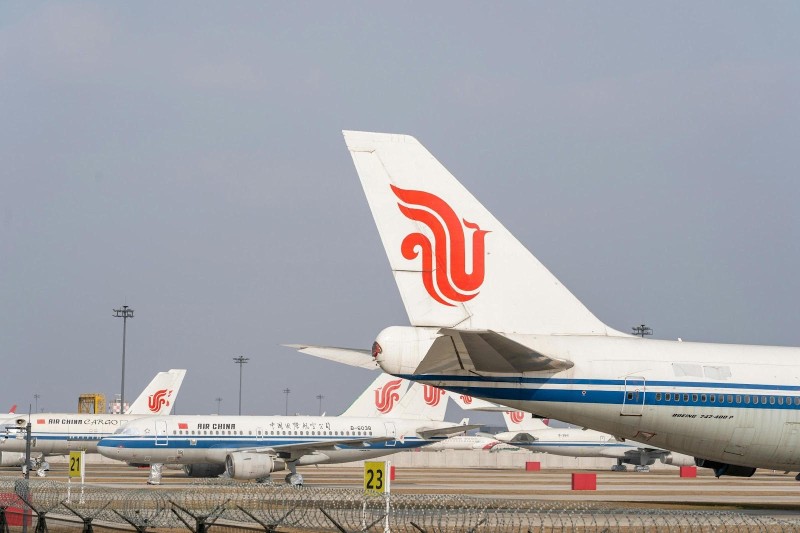
Flight planning is one of the most essential elements of aviation, yet it is also one of the least visible tasks to the general public. Passengers typically experience only the final results of this work when they check in, board, and arrive at their destination on time. Behind the scenes, however, flight planning involves detailed analysis, precise communication, and careful coordination. Every successful travel experience is rooted in the decisions made long before a plane leaves the ground. These decisions help ensure safety, efficiency, and predictability throughout the journey.
The Foundation of Safe Air Travel
Safety is the primary focus of flight planning. Before any flight departs, dispatchers and pilots evaluate weather conditions, aircraft performance, runway availability, and route options. Weather patterns can shift quickly, so planning teams examine factors like wind speed, turbulence risks, storm systems, and visibility. Their analysis determines the safest path through the airspace. If weather conditions change, the plan must be updated accordingly, ensuring that pilots have accurate and timely information.
Flight planning teams also review aircraft weight, balance, and fuel requirements. Fuel needs vary depending on altitude, routing, expected winds, and potential deviations. Adding too little fuel would be unsafe, while carrying too much fuel increases aircraft weight and reduces efficiency. By calculating fuel precisely, planners ensure both safety and performance remain well balanced.
Safety also includes mechanical readiness. Maintenance records, system checks, and operational data give planners a clear picture of the aircraft’s condition. If anything requires further inspection, the flight may need to be delayed or adjusted. These careful evaluations help prevent operational surprises and contribute to the reliability passengers depend on.
Optimizing Airspace and Route Selection
Air traffic is constantly changing, and flight planners must navigate complex airspace networks. Some areas may experience heavy traffic, while others may be restricted due to weather, military operations, or temporary airspace closures. Planners choose the best routes by balancing distance, traffic conditions, and fuel efficiency. This process supports smoother flights and reduces the likelihood of mid journey changes that could extend travel time.
Route selection also influences turbulence avoidance. Jets can travel thousands of miles, and identifying areas with potential rough air helps improve passenger comfort and prevents unnecessary strain on the aircraft. A well planned route allows the flight to operate smoothly and efficiently, reducing delays and increasing overall satisfaction for travelers.
The Role of Ground Support in Flight Readiness
While flight planning focuses heavily on what happens in the air, preparations on the ground are just as important. Ground support teams perform essential tasks that influence the accuracy and outcome of the flight plan. They handle fueling, cargo loading, and routine inspections. These tasks must be completed according to the plan to maintain balance, timing, and operational efficiency.
Ground crews also rely on specialized equipment to prepare aircraft for departure. For example, a device such as a start pac helps power aircraft systems during preflight procedures when engines are not yet running. This tool supports efficient ground operations and ensures that aircraft systems are ready for pilots to perform their final checks. When ground support flows smoothly, flight planners can rely on consistent performance and accurate timing.
Accurate timing is especially important because delays on the ground affect the entire schedule. When the flight plan is followed closely and supported by efficient ground operations, the aircraft can depart on time, minimizing disruptions throughout the travel day.
Long Term Benefits for the Aviation Industry
Flight planning also plays a long term role in supporting operational efficiency, environmental responsibility, and financial stability for airlines. Efficient routes reduce fuel consumption and minimize emissions, supporting global sustainability efforts. Consistent planning helps airlines build reliable schedules and reduce disruptions that lead to operational costs.
As aviation technology advances, planners have access to improved forecasting tools and real time data. These innovations strengthen the accuracy and effectiveness of flight planning, further enhancing the travel experience and supporting industry growth.
Conclusion
Flight planning remains one of the most essential elements of successful air travel. Through careful analysis, precise coordination, and ongoing communication, aviation professionals create safe, reliable, and efficient journeys for millions of travelers. Their planning ensures that flights operate smoothly, adapt to changing conditions, and support positive travel experiences. The dedication behind this process remains a cornerstone of modern aviation and a key contributor to successful global transportation.